
Internal vs. External Recruitment | The 2026 Smart Hiring Guide for HR Professionals



Effective recruitment is one of the most important drivers of organizational success.
In today’s competitive job market, relying on traditional methods like intuition, referrals, or unstructured interviews is no longer enough. Modern recruitment is science-backed, structured, and data-driven, using pre-employment assessments, psychometric tests, and skill evaluations to objectively identify the best candidates. This approach reduce biases, improves cultural alignment, and enhances long-term performance and retention.
At a strategic level, recruitment can be broadly divided into 2 main approaches: internal recruitment which promotes or redeployes talent from within the organization, and external recruitment which brings in fresh perspectives, new ideas, creativity, and new expertise from outside.
A study by Deloitte Human Capital Trends (2023) showed that balancing internal development with selective external hiring creates the most sustainable workforce, with reported higher innovation and stronger culture fit.
In this article, we will explore the key differences between internal and external recruitment and their advantages and challenges.
Candidate assessment platforms like Assess Candidates enhance both types of recruitment by going beyond traditional metrics such as experience and qualifications. These tools help identify candidates who are not just strong on paper but also have the potential, relevant skill sets, and the right values to grow and succeed in the organization.
Contents
- The Foundation of Effective Hiring
- Understanding Internal Recruitment
- Understanding External Recruitment
- Key Differences Between Internal and External Recruitment
- Advantages and Disadvantages of Internal Recruitment
- Advantages and Disadvantages of External Recruitment
- Finding the Right Balance: When to Use Which Recruitment Type
- Enhancing Recruitment With Assess Candidates
1. The Foundation of Effective Hiring
Recruitment is the backbone of any organization’s success. Hiring the right talent goes far beyond filling a vacancy; it shapes the company’s performance, culture, and long-term growth.
In today’s competitive landscape, effective hiring relies on structured, data-driven recruitment processes rather than intuition or outdated methods. By using a variety of different pre-employment assessment tools, such as psychometric tests, video interviews, and game-based assessments, organizations can objectively identify candidates who not only meet the job requirements but also have the potential, skills, and values to thrive and grow.
A well-designed recruitment process serves a dual purpose: it acts as a magnet to attract top talent, and as a filter, ensuring only the best-fit candidates progress. By aligning hiring practices with organizational goals and values, companies strengthen their employer brand, build high-performing teams, and drive long-term success.
Companies using structured and data-driven recruitment processes see 35% faster hiring and 25% better employee performance (LinkedIn Global Recruiting Trends Report, 2024)
Broadly, recruitment can be divided into 2 main approaches: internal recruitment draws from existing employees for promotions, transfers, or redeployment, while external recruitment brings in fresh talent from outside the organization. Understanding both approaches and using them strategically forms the foundation of effective hiring.
Leverage internal as well as external recruitment to unlock the right talent for your organization today! HIRE FOR FREE
First, let’s dive into what internal recruitment is.

2. Understanding Internal Recruitment
Internal recruitment is the process of filling job vacancies with candidates who are already part of the organization.
Instead of looking outside, companies focus on internal promotions, lateral transfers, employee referrals, or redeployment to make use of existing talent. This approach recognizes and rewards existing employees’ skills, experience, and loyalty, while ensuring a faster and more seamless onboarding process. It also enforces the value of career growth within an organization.
Common Methods of Internal Recruitment:
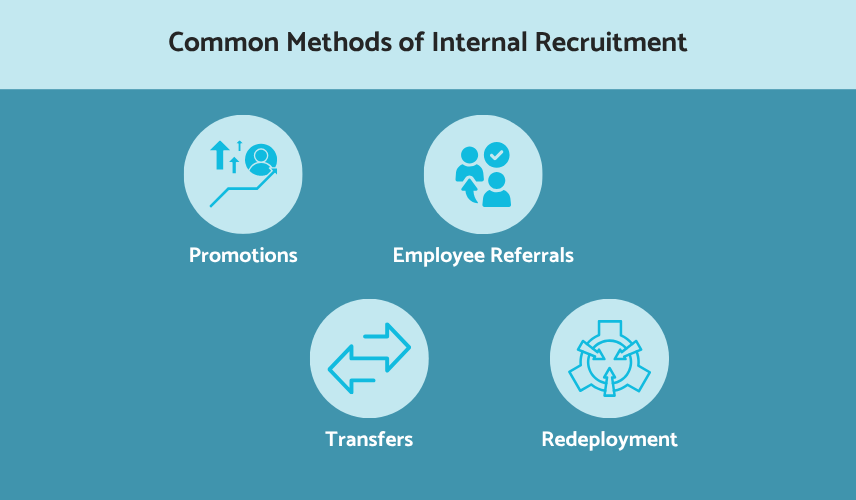
- Promotions: Moving an employee to a higher position based on performance and potential.
- Transfers: Shifting employees to different departments or roles that match their skills.
- Employee Referrals: Encouraging current employees to recommend colleagues for open roles.
- Redeployment: Assigning employees to roles that better align with organizational needs or employee strengths.
When Companies Typically Use Internal Recruitment:
- Filling leadership or managerial roles that require organizational knowledge.
- Recognizing high-performing employees for career growth.
- Quickly filling urgent vacancies with known, reliable talent.
- Retaining top talent and improving employee engagement.
Research shows internal recruits have up to 41% higher retention and reach full productivity faster, proving that promoting from within often drives better long-term results.
Company-Specific Examples:
- Google: Encourages internal mobility through programs like Googler-to-Googler and internal job boards, allowing employees to explore new roles across teams.
- Microsoft: Actively promotes existing employees, especially for leadership roles, to maintain consistency and strengthen the company culture.
- Unilever: Uses clear career paths and internal talent programs to fill important roles from within the company before hiring from outside.
- IBM: Runs an internal gig marketplace where employees can apply for short-term internal projects, promoting skill growth and retention.
Internal recruitment not only motivates employees by showing a clear growth path but also reduces hiring costs, shortens onboarding time, and preserves institutional knowledge.
Internally recruit and assess existing employees using our science-backed pre-employment assessments. LEARN MORE
Next, we will explore external recruitment to understand how organizations bring in fresh talent from outside the company.
3. Understanding External Recruitment
External recruitment is the process of filling job vacancies by hiring candidates from outside the organization. This approach brings in fresh perspectives, new skills, and diverse experiences that can drive innovation and help companies adapt to changing business environments.
Common Methods of External Recruitment:
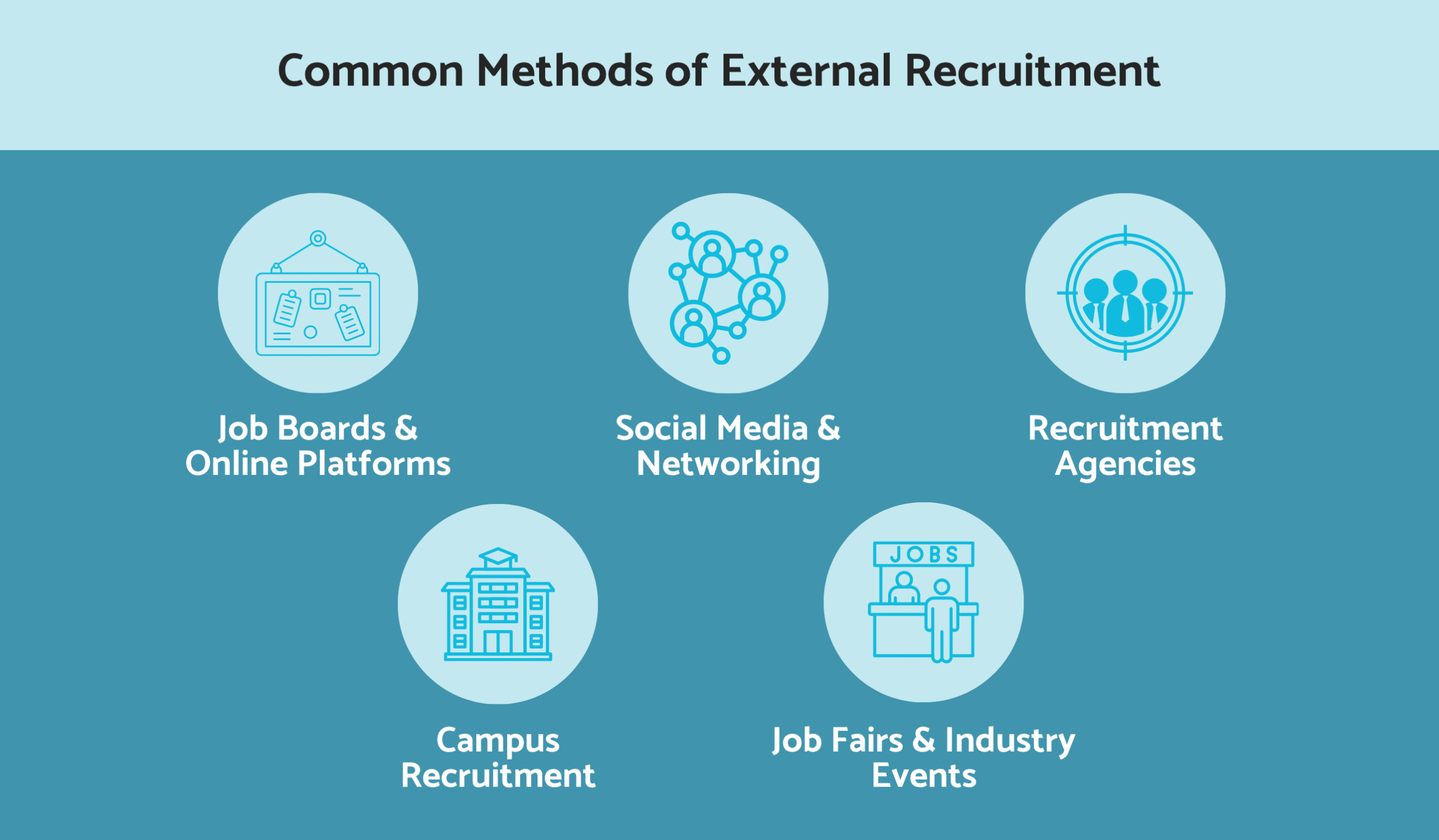
- Job Portals and Online Platforms: Posting openings on LinkedIn, Indeed or company career pages.
- Campus Recruitment: Hiring fresh graduates directly from colleges or universities.
- Recruitment Agencies: Partnering with agencies or headhunters to find specialized talent.
- Social Media and Networking: Using professional networks and social media to reach potential candidates.
- Job Fairs and Industry Events: Engaging talent at career fairs, workshops, or industry-specific conferences.
When Companies Typically Use External Recruitment:
- Filling roles requiring specialized skills not available internally.
- Expanding teams during periods of growth or entering new markets.
- Introducing fresh ideas and perspectives to drive innovation.
- Building diversity and bringing in new cultural or industry insights.
According to a 2023 SHRM report, 67% of organizations use external recruitment to access specialized skills not available internally. As industries evolve rapidly, external hiring enables companies to tap into emerging expertise, fresh ideas, and niche competencies that drive innovation. It helps fill critical skill gaps while enhancing adaptability and team performance, ensuring organizations remain competitive and responsive to changing market demands.
Company-Specific Examples:
- Amazon: Uses a mix of online job postings, campus hiring, and recruitment agencies to fill roles globally, emphasizing skill sets and cultural fit.
- Apple: Actively recruits externally for roles requiring specialized technical expertise or design innovation.
- Google: Actively hires from outside through its website, job portals, and referrals. It looks for creative, problem-solving people who match their company culture.
- Accenture: Combines online portals, campus recruitment, and professional networking to continuously bring in new talent for consulting and technology services.
External recruitment allows organizations to broaden their talent pool, access unique expertise, and bring new ideas into teams. While it may take longer and involve higher costs than internal recruitment, it is essential for growth, innovation, and staying competitive in dynamic markets.
Looking for top external talent? Find the perfect candidates and grow your team today! HIRE FOR FREE
Now that we’ve explored internal and external recruitment individually, let’s compare them side by side to understand their differences, advantages, and best practices for effective hiring.
4. Key Differences Between Internal and External Recruitment
It is important to understand how internal and external recruitment differ and when each approach is most effective. Both methods have their own advantages and challenges, and choosing the right approach can impact cost, culture, performance, and long-term organizational success.
Differences between Internal Recruitment and External Recruitment:

Best Practices for Effective Hiring Using Both External and Internal Recruitment:
- Combine both approaches strategically: Promote internally for leadership roles, and hire externally for specialized or innovative roles.
- Use science-backed assessments: Go beyond resumes and experience to evaluate potential, skills, and alignment with organizational values.
- Structured recruitment process: Ensure standardized evaluation to reduce bias and improve long-term success.
- Continuous talent mapping: Maintain a talent pool and succession plan to fill critical roles efficiently.
By understanding the differences and strategically leveraging both methods, organizations can attract the right talent, strengthen their brand image, and build high-performing teams.
“A great recruitment process isn’t about finding more candidates, it’s about finding the right one faster” (Harvard Business Review, 2022).
Now that we’ve understood how both internal and external recruitment work and their differences, let’s look at their pros and cons.
5. Advantages and Disadvantages of Internal Recruitment
Advantages:
- Employee Motivation and Loyalty: Promoting or transferring employees from within shows recognition and appreciation, boosting engagement and retention.
- Lower Hiring Cost and Faster Onboarding: Since candidates are already part of the organization, recruitment costs and training time are reduced.
- Better Performance Predictability: Managers already know the employees’ skills, work ethic, and cultural fit, reducing hiring risks.
Disadvantages:
- Limited Pool of Talent: Only current employees are considered, which may restrict access to fresh skills or creative ideas.
- Possible Internal Conflict or Favoritism: Promotions or transfers can create jealousy or perceived unfairness among employees.
- Stagnation of Ideas and Reduced Diversity: Relying solely on internal hiring may limit innovation and reduce diversity of thought.
Internal hires are 20% less likely to leave within the first two years compared to external hires, highlighting the benefits of promoting from within. (Tech Needs)
6. Advantages and Disadvantages of External Recruitment
Advantages:
- Access to Fresh Talent and Creative Ideas: External candidates bring new ideas, perspectives, experiences and innovative thinking.
- Larger Talent Pool and Specialized Skills: Expands options for hard-to-fill roles requiring expertise not available internally.
- Opportunity for Cultural Renewal and Innovation: Introducing new employees can help refresh organizational culture and practices.
Disadvantages:
- Longer Hiring Process and Higher Costs: Sourcing, screening, and onboarding external candidates often require more time and budget.
- Higher Risk of Poor Cultural Fit: Unlike internal candidates, external hires may take time to adjust to company values and culture.
- Longer Adaptation or Onboarding Period: External candidates usually need more training and orientation to perform at full potential.
External hires are 61% more likely to be fired than internal hires, often due to cultural fit issues or longer adjustment periods. (AIHR)
Now that we have understood what internal and external recruitment are, along with their respective advantages and disadvantages, let’s explore how to find the right balance and decide when to use each approach.
7. Finding the Right Balance: When to Use Which Recruitment Type
Choosing between internal and external recruitment is not always an either-or decision. The key is to align your hiring approach with the role, organizational goals, and timing.
When to Use Internal Recruitment:
- Filling leadership or critical roles where organizational knowledge is crucial.
- Recognizing and retaining high-performing employees with growth potential.
- Quickly filling urgent vacancies using known, reliable talent.
- Maintaining employee engagement and loyalty by providing clear career paths.
When to Use External Recruitment:
- Hiring for roles that require specialized skills or expertise not available internally.
- Bringing in fresh perspectives and innovative ideas to drive change or growth.
- Expanding teams during business growth, new markets, or digital transformation.
- Building diverse teams to strengthen organizational culture and creativity.
Whether hiring from within or externally, identify top performers using our end-to-end assessments. LEARN MORE
Best Practices for Balancing Both Approaches:
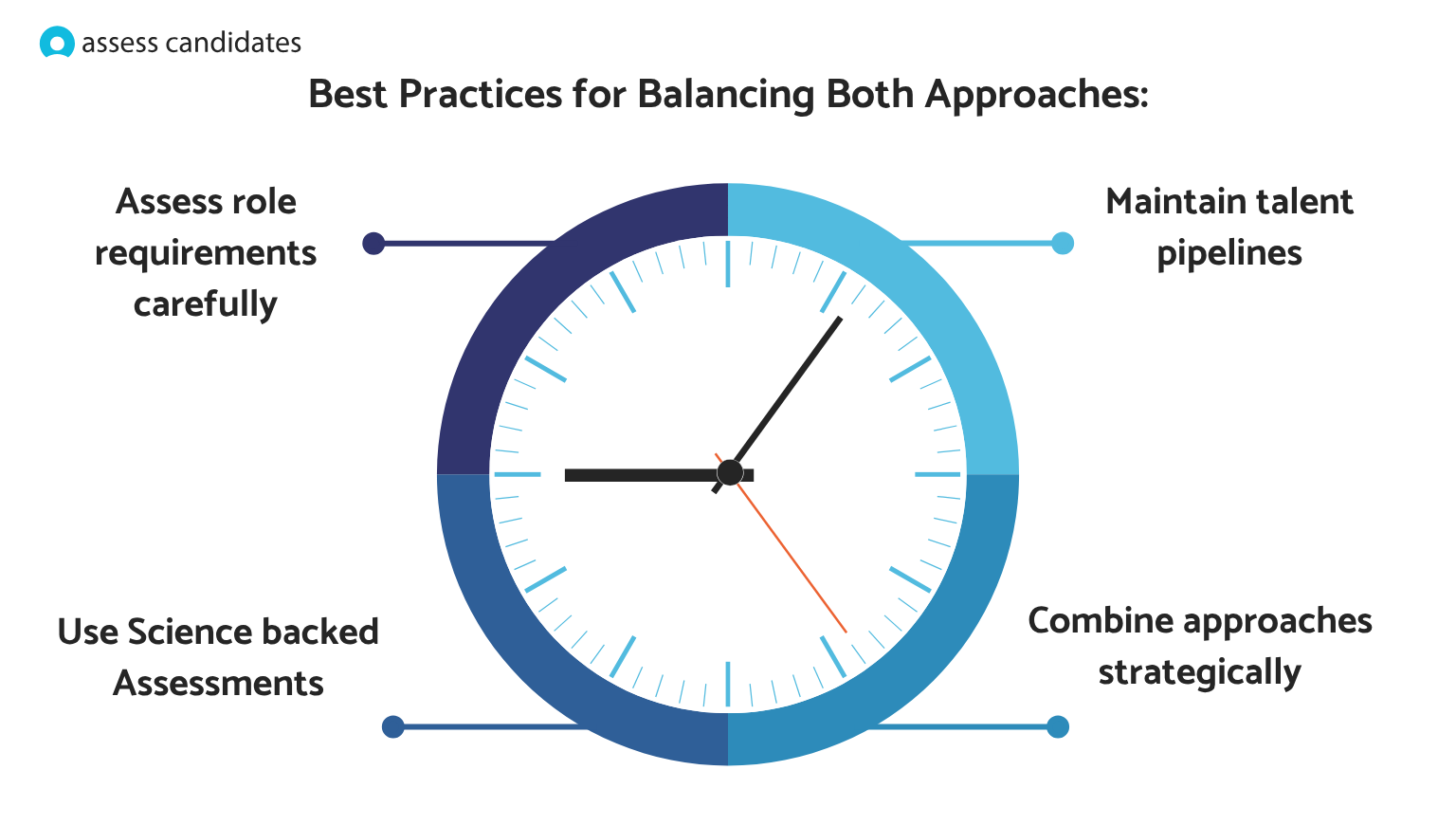
- Assess role requirements carefully: Use internal candidates when experience and cultural fit are key, and external candidates when innovation or specialized skills are needed.
- Use science-backed assessments: This evaluates potential, skills, and alignment, rather than relying solely on resumes and experience.
- Maintain talent pipelines: Both internally and externally to ensure continuity and reduce hiring delays.
- Combine approaches strategically: For example, promote internally first, then consider external options if no suitable candidate exists.
Finding the right balance ensures that organizations maximize talent potential, control costs, foster innovation, and strengthen their employer brand in the long term.
Organizations that follow a structured recruitment process are 2.5 times more likely to hire high-performing employees. Structured hiring not only improves candidate quality but also reduces turnover and recruitment costs.
With a clear understanding of internal and external recruitment, their pros and cons, and guidance on when to use each, we can build a sustainable talent strategy for long-term organizational success.
Moving on, let’s see how Assess Candidates helps with the same.
8. Enhancing Recruitment With Assess Candidates
Modern hiring is not just about filling vacancies; it is about finding candidates who can grow, adapt, and contribute to long-term success.
This is where hiring platforms like Assess Candidates make a real difference. By leveraging science-backed assessments, structured evaluation methods, and data-driven insights, organizations can identify talent who are have the experience and qualifications, but also have the potential and skills to thrive.
For internal recruitment, Assess Candidates helps organizations identify high-potential employees by using assessments that highlight strengths, leadership capabilities, and readiness for new roles. This ensures that promotions, transfers, or redeployments align with both personal growth and company goals.
For external recruitment, Assess Candidates goes beyond resumes and interviews; it uses psychometric tests, game-based assessments, and video interviews to evaluate candidates more broadly. This helps in finding people who not only have the necessary skills but also fit the culture and can have a long-term impact.
Which Assessments Work Best for Internal vs External Recruitment
Now, let’s take a look at some specific assessment tools offered by Assess Candidates and how they help in recruitment.
BART Game-Based Assessment
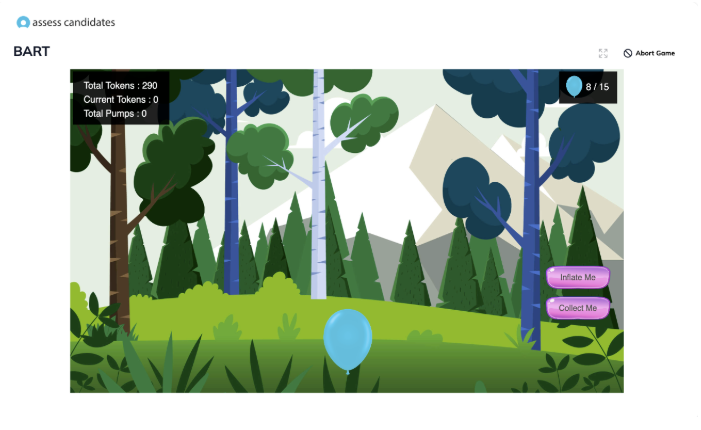
The BART Game (Balloon Analogue Risk Task) is an interactive game that evaluates a candidate’s risk-taking behavior and decision-making skills. It is particularly useful for roles that require quick thinking and the ability to make decisions under pressure. This assessment is ideal for both internal promotions and external hires in dynamic industries.
MTA-Tray™ Game-Based Assessment
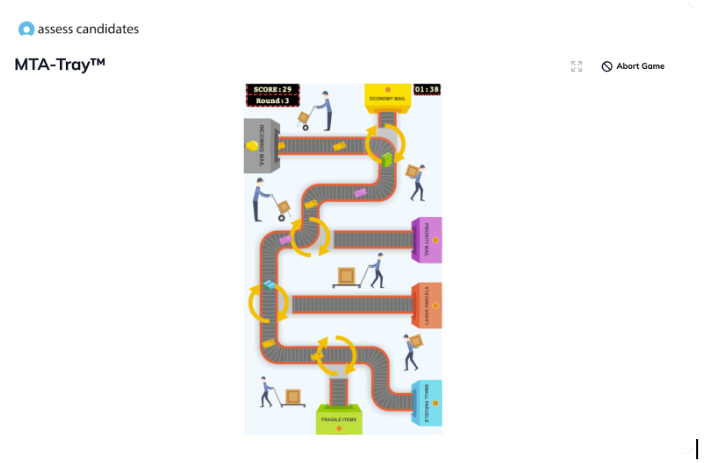
The MTA-Tray™ is a game that tests a candidate’s ability to organize and prioritize multiple pieces of information simultaneously. It is beneficial for positions that demand strong multitasking and organizational skills. This assessment can be used for both internal and external recruitment to identify candidates with exceptional organizational abilities.
Cognition-M™ Game-Based Assessment
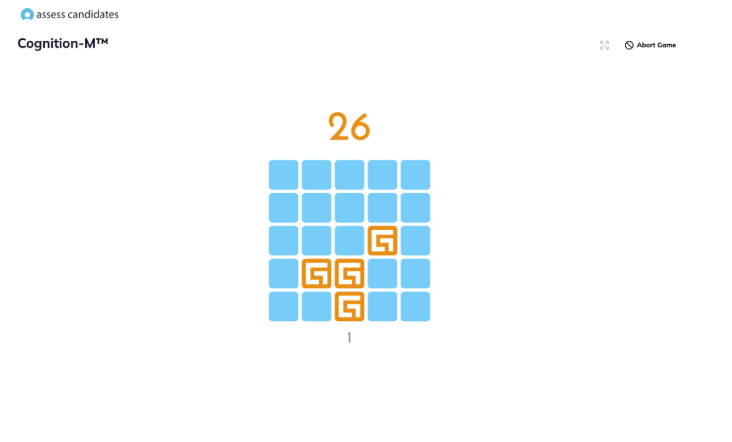
The Cognition-M™ is a memory game designed to assess short-term memory and information processing speed. It is suitable for roles that require attention to detail and quick recall of information. This assessment helps in evaluating both internal candidates for role suitability and external candidates for their cognitive capabilities.
Video Interviews
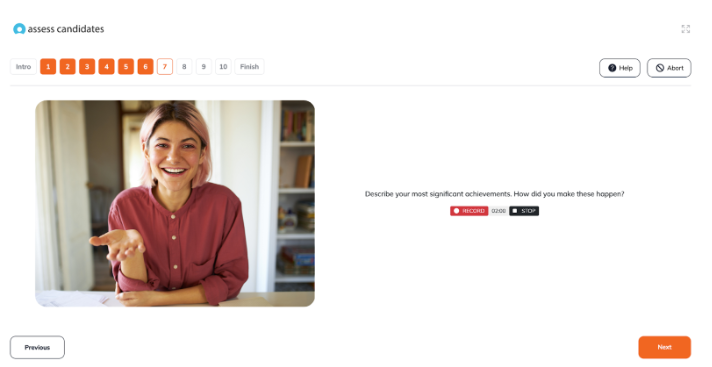
Video interviews allow candidates to record responses to pre-set questions, enabling recruiters to assess communication skills, professionalism, and cultural fit. This tool is effective for screening both internal candidates for new roles and external applicants, especially when in-person interviews aren’t feasible.
Logical Reasoning Tests
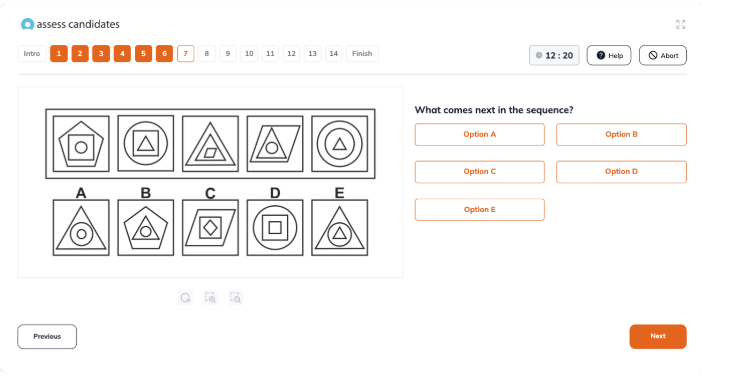
Logical reasoning tests assess a candidate’s ability to think logically, solve problems, and identify underlying patterns in sequences. These tests are suitable for roles that require analytical thinking and problem-solving skills. They can be used to evaluate both internal candidates for promotions and external candidates for various positions.
Situational Judgment Tests (SJTs)
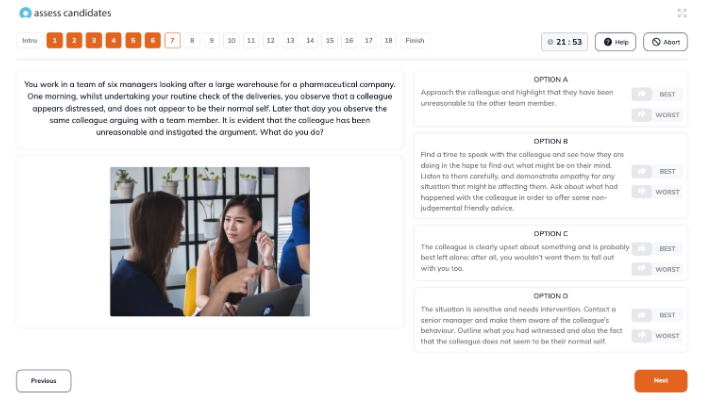
Situational judgment tests present candidates with realistic work-based scenarios to assess their behavioral competencies and decision-making abilities. These tests help predict on-the-job performance and are useful for screening both internal and external candidates for roles requiring strong interpersonal and decision-making skills.
Numerical Reasoning Tests
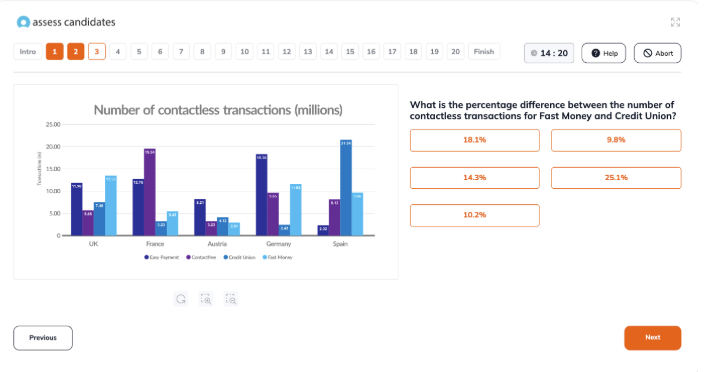
Numerical reasoning tests measure a candidate’s ability to interpret, analyze, and draw logical conclusions from numerical data presented in tables, charts, or graphs. They are particularly valuable for roles that require data analysis, budgeting, or quantitative problem-solving skills.
Verbal Reasoning Tests
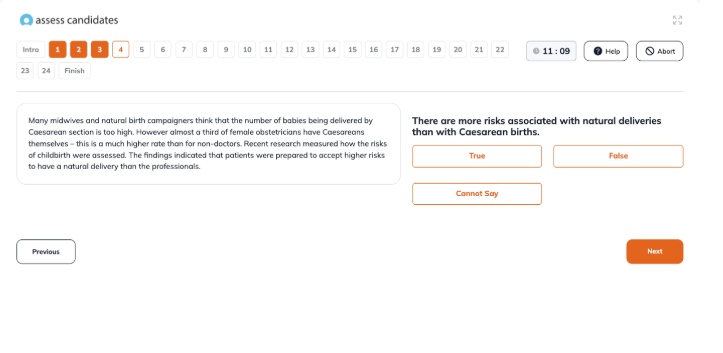
Verbal reasoning tests assess a candidate’s ability to comprehend, evaluate, and interpret written information. They measure skills such as reading comprehension, critical thinking, and verbal logic, which are essential for positions that involve communication, reporting, and decision-making based on textual information.
These assessments provide a comprehensive approach to understanding a candidate’s abilities, ensuring that hiring decisions are based on objective data rather than subjective impressions.
By integrating such advanced, objective tools into recruitment, companies can build a stronger workforce, enhance employee engagement, and reinforce their employer brand, all while making data-driven hiring decisions that secure long-term organizational success.
Frequently Asked Questions
What is the difference between internal and external recruitment?
Internal recruitment fills positions with existing employees through promotions, transfers, or redeployment, while external recruitment hires candidates from outside the organization to bring in new skills and perspectives.
Which recruitment method is more cost-effective?
Internal recruitment is generally more cost-effective because it reduces advertising, sourcing, and onboarding costs. External recruitment often requires more time and budget for sourcing and training.
When should a company use external recruitment over internal recruitment?
External recruitment is ideal when specialized skills, fresh perspectives, or innovation are required, or when the internal talent pool does not meet the role’s requirements.
How can organizations ensure fair internal recruitment?
Structured evaluation, transparent criteria, and science-backed assessments help reduce bias and favoritism, ensuring internal recruitment is fair and merit-based.
How do platforms like Assess Candidates help in recruitment?
Recruitment platforms like Assess Candidates use science-backed assessments to evaluate not just experience and qualifications but also potential, skills, and cultural alignment, ensuring the best fit for both internal and external hires.
Can a company use both internal and external recruitment together?
Yes, a balanced approach, promoting internally first and then considering external candidates if needed, helps optimize talent, reduce risk, and maintain organizational growth.


 English
  Arabic